
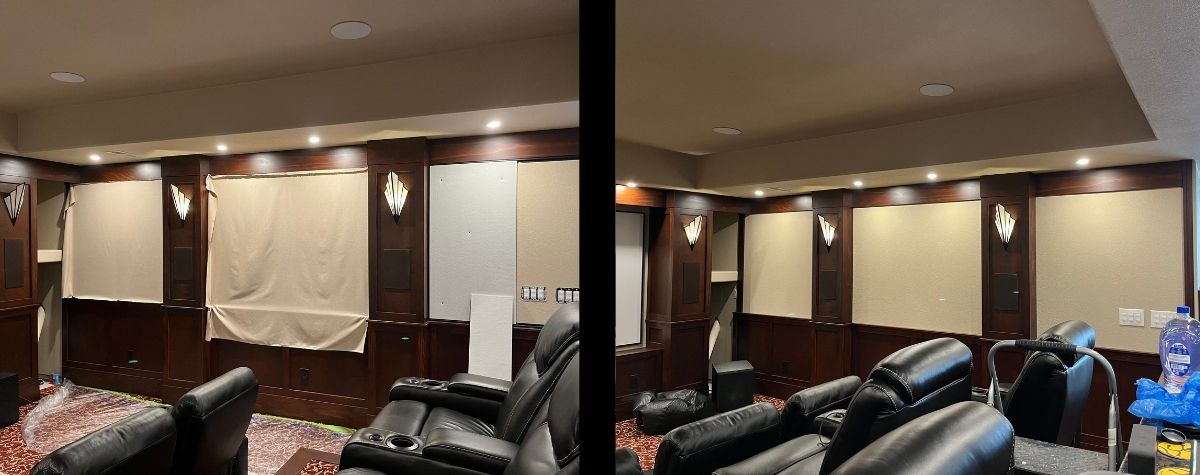
Creating a home theater is an exciting way to bring cinema-quality entertainment into your living space. Whether you enjoy movies, sports, or gaming, a well-designed setup can completely change how you experience media at home.
One important decision many homeowners face is timing. Should you plan your home theater while the house is being built, or wait until everything is finished?
Both options have clear advantages, along with a few trade-offs. The right choice depends on your budget, timeline, and how customized you want your setup to be. Understanding the differences will help you make a smart, long-term decision.
Why Timing Matters for Home Theater Planning
A home theater is more than just a screen and speakers. It involves wiring, acoustics, lighting, seating, and often integration with smart home features. When you plan, it can influence everything from performance to cost.
Here’s why timing plays such an important role:
It determines how clean and hidden your wiring will be
It affects sound and picture quality
It shapes your layout and design options
It impacts installation complexity and overall cost
Making the right decision early can save time, money, and frustration later.
Planning a Home Theater During Construction
Designing your home theater while your house is still being built gives you the most control and flexibility. This is often the best route for homeowners who want a polished, high-end result.
Advantages of Planning During Construction
1. Clean, Hidden Wiring
When walls are open, it’s easy to run cables exactly where they need to go. This avoids visible wires and reduces the need for future modifications.
Speaker wiring can be placed inside the walls
HDMI and network cables can be optimized
Equipment racks and locations can be planned in advance
For example, structured wiring setups that support strong network performance can be seamlessly integrated at this stage, without disrupting finished walls later.
2. Better Audio and Acoustic Design
Sound quality depends heavily on how the room is built. During construction, you can:
Add insulation to increase acoustic quality
Position speakers for a true ATMOS surround sound experience
Adjust room dimensions for better acoustics
These early decisions can significantly improve clarity and overall sound performance.
3. Seamless Smart Home Integration
If you plan to include smart home features, early planning makes everything smoother. Your lighting, audio, and video systems can all work together from the start.
For example:
Lights can sync with ‘play’ and ‘pause’ operation of the movie
Window shades can close with one command for an immersive experience
Multi room audio allows the homeowner to designate audio to different rooms
Instead of adding these features later, they become part of the home’s core design.
4. Long-Term Cost Savings
While upfront costs may be higher, planning during construction often reduces future expenses. You avoid cutting into walls, adding electrical locations, or paying for complex retrofits.
Industry estimates suggest that pre-wiring during construction can reduce future installation costs by as much as 30–40%.
5. Full Design Freedom
You can build a room specifically for entertainment:
Tiered seating layouts
Dedicated media rooms
Built-in speakers and hidden componentsAcoustic wall treatments that to match the design of the room
This level of customization is much harder to achieve once the home is complete.
Challenges of Planning During Construction
There are a few things to keep in mind:
You’ll need to make decisions early, before fully living in the space
Coordination with builders and contractors is required
Initial construction costs may increase
Even so, many homeowners find the long-term benefits well worth it.
Installing a Home Theater After the Home Is Built
If your home is already finished, you can still create an excellent home theater. Many modern systems are designed to fit into existing spaces without major construction.
Advantages of Post-Construction Installation
1. Decisions Based on Real Usage
Once you’ve lived in your home, you understand how each space actually works. This helps you choose the right room and layout.
You understand natural lighting conditions
You’ve experienced how sound travels
This practical insight might be important to some homeowners.
2. Lower Upfront Cost
Instead of adding to construction expenses, you can install your home theater later and spread out the cost over time. This can make budgeting much easier.
3. Access to Newer Technology
Technology evolves quickly. Waiting allows you to choose the latest displays, sound systems, and streaming solutions instead of locking in options early.
4. Ideal for Upgrades
If you already have a setup, upgrading after construction is straightforward. You can replace outdated components without starting from scratch.
Challenges of Post-Construction Installation
There are some limitations to consider:
1. Wiring Limitations
Running cables through finished walls can be difficult. In some cases, wires may need to be concealed and some drywall repair may be required.
2. More Complex Installation
Cutting into walls or ceilings adds labor, time, and cost. It also requires careful planning to avoid damage.
3. Limited Acoustic Control
Without structural changes, it can be harder to fully optimize sound quality. This may affect the overall listening experience.
4. Space Constraints
Rooms not designed for a home theater may present challenges:
Less-than-ideal layouts
Sound reflection issues
Lighting control limitations
Even so, experienced professionals can still create impressive results in existing spaces.
Comparing the Two Approaches
Here’s a simple way to look at both options:
During Construction
Best for fully customized setups
Cleaner installation with hidden wiring
Easier smart system integration
Lower long-term costs
After Construction
More flexibility based on real usage
Easier to adopt newer technology
Lower upfront investment
More complex installation process
Both approaches can lead to a great home theater. The right choice depends on your priorities.
Factors to Consider Before Deciding
Budget
If your construction budget allows, planning early can save money later. Otherwise, installing after completion helps spread out costs.
Level of Customization
If you want a fully integrated, high-performance system, early planning gives you more control over the final result.
Technology Preferences
If having the latest tech matters most, waiting may be the better option. However, pre-wiring still keeps future upgrades simple.
Room Purpose
Dedicated theater rooms benefit from early planning. Multipurpose spaces often work better with post-construction installation.
Long-Term Plans
If you plan to stay in your home for many years, a well-integrated system can add lasting value and convenience.
Tips for a Successful Home Theater Setup
No matter when you install your system, these tips can help:
Work with experienced professionals
Plan ahead for future upgrades
Invest in quality components
Pay attention to lighting and seating
Ensure proper ventilation for equipment
Small details often make a big difference in the final experience.
Finding the Right Balance
Some homeowners choose a hybrid approach. They install wiring and infrastructure during construction, but wait to add equipment later.
This approach offers:
Easier installation down the line
Access to newer technology
Better control over overall costs
It combines the advantages of both options without fully committing to either.
Making the Most of Your Investment
A home theater is more than just an upgrade. It’s a space to relax, spend time with family, and enjoy entertainment in a more immersive way.
Whether you build it from the ground up or add it later, thoughtful planning and expert guidance make all the difference.
If you’re considering a home theater or upgrading your current setup, Sound Media can help you design a solution that fits your space and lifestyle. Explore your options and take the next step toward a better entertainment experience by visiting https://soundmediaonline.com/.


 303-564-3440
 *Proud two-time winner of the “Best of Mile High” award.